Loading...
Serving Atwater, CA and surrounding areas. (209) 582-0028
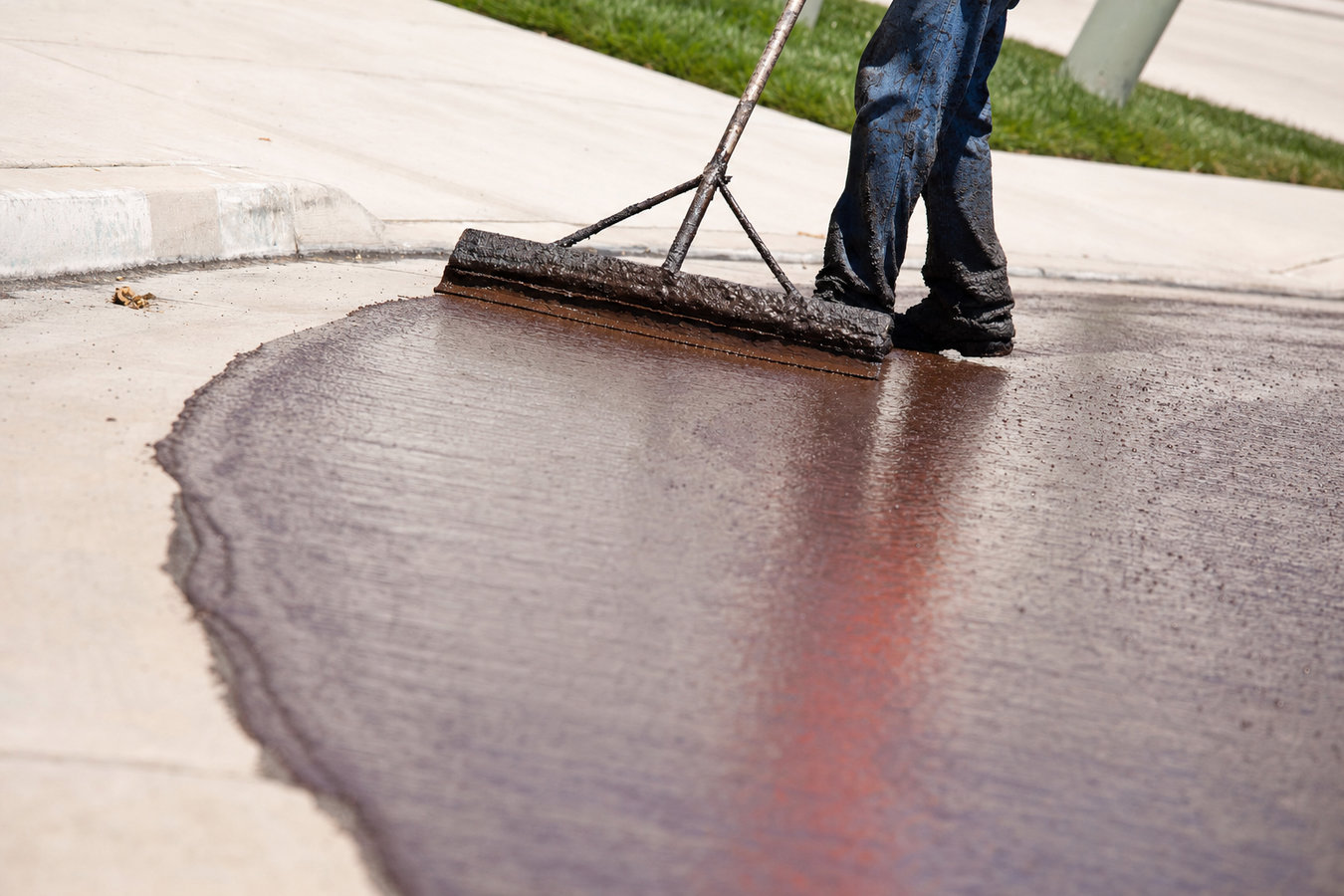
The Central Valley sun breaks down unprotected asphalt fast. Professional sealcoating stops the damage, restores appearance, and adds years to your driveway or parking lot.
Asphalt sealcoating in Atwater, CA applies a thin protective layer over existing pavement to block UV rays, repel water, and slow surface oxidation - most residential driveways can be sealed in a single day. The San Joaquin Valley gets relentless summer sun and temperatures that regularly push past 100 degrees, and that heat dries out the binder holding asphalt together faster than almost anywhere else in California.
Once the binder starts breaking down, you get fading, surface cracking, and eventually the kind of structural damage that sealcoating alone cannot fix. Staying on a regular maintenance schedule is the difference between a $300 sealcoating job and a $3,000 repaving project. If you already have small cracks forming, combining sealcoating with asphalt crack sealing before the sealer goes down gives you the best long-term result.
Fresh asphalt is deep black. When it turns gray or washed out, the binder is drying out from UV exposure. In Atwater's intense sun, this fading happens faster than homeowners expect - and it means sealcoating is overdue.
Hairline cracks and surface fractures are normal as asphalt ages, especially with the clay soils in the San Joaquin Valley. Catch them early, fill them, and seal over them. Left alone, small cracks widen, let water in, and turn into expensive repairs.
A healthy sealed driveway has a smooth, consistent texture. Small pits or a gravelly surface mean the top layer is eroding and the pavement itself is exposed to the elements - a clear signal the protective coating is gone.
A properly sealed surface causes water to bead and run off. If rain or a hose leaves water soaking in rather than rolling off, the sealer is gone. Water penetrating asphalt softens the base beneath it, leading to cracking and sinking.
We handle sealcoating for residential driveways, commercial parking lots, and private roads throughout Atwater and the surrounding Central Valley. Every job starts with a thorough surface cleaning and inspection - any oil stains get primed, and cracks get filled before a single drop of sealer touches the pavement. We apply commercial-grade sealer in one or two coats depending on the surface condition, using squeegees or spray equipment sized for the job.
For parking lot owners, we often combine sealcoating with parking lot striping in a single visit, since the new sealer wipes out existing lines and re-striping is required before the lot reopens. If your lot has surface damage that goes beyond what sealcoating can address, we can assess whether patching or resurfacing is the right first step.
Best for homeowners who want to protect and refresh an aging asphalt driveway before it starts cracking.
Ideal for property managers and business owners who need a clean, protected lot that holds up to daily traffic.
The right choice when a surface has hairline or surface cracks that need sealing before the protective coat goes down.
Used on heavily weathered or oxidized surfaces that need more than one coat to restore proper protection and appearance.
Atwater sits in the heart of the San Joaquin Valley, where summer temperatures regularly push past 100 degrees and the sun bakes pavement for months at a time. That UV exposure breaks down the binder in asphalt faster here than in cooler parts of California - which means a driveway that might need sealcoating every four years in a milder climate often needs it every two to three years here. The clay-heavy soils under Valley homes also expand and contract with seasonal moisture changes, opening up surface cracks that let water in during the wet season. Addressing those cracks before asphalt sealing is especially important in this area.
We work across Atwater and throughout the surrounding region. If you are in Merced or out toward Livingston, we cover those areas too and understand the same local climate conditions that make regular sealcoating a smart investment across the Central Valley.
Describe your driveway or lot - size, age, and any visible damage. We respond within 1 business day and can schedule a free on-site estimate at your convenience.
We inspect the surface in person, note any cracks or oil stains that need pre-treatment, and give you a written quote covering exactly what prep and sealing is included.
The crew cleans the surface thoroughly - especially important in Atwater where agricultural dust settles constantly - fills cracks with flexible filler, and primes any oil stains before sealing.
Sealer goes down in one or two coats. We edge carefully around garage doors and landscaping. Before we leave, we walk through the curing timeline with you - typically 24 hours for foot traffic and 48 to 72 hours for vehicles.
We respond within 1 business day. There is no obligation - just an honest assessment of what your driveway or parking lot needs. After you submit, someone from our office will call to schedule a free on-site estimate at a time that works for you.
(209) 582-0028California requires paving contractors to hold a current state contractor's license, which you can verify at any time through the California Contractors State License Board at cslb.ca.gov. We carry general liability insurance and workers' compensation on every project - protecting your property and your wallet if anything goes wrong.
Sealcoating in the San Joaquin Valley is different from sealcoating in San Francisco or Sacramento. We know when to work around the heat, how to account for clay soils that move with the seasons, and which products hold up under sustained UV exposure - not just general national guidelines.
Every project gets a written quote covering what prep is included, how many coats, and what the curing instructions will be. You know exactly what you are agreeing to before the crew arrives. No surprises on the day of the job.
We do not let estimate requests sit. When you call or submit online, you hear back within one business day. We understand that scheduling around a driveway or parking lot closure requires planning, and we make that as easy as possible.
The National Asphalt Pavement Association publishes current best practices for sealcoating materials and application methods - learn more at asphaltpavement.org. We stay current with industry standards so the materials we use and the methods we follow reflect what actually works.
After sealing your lot, fresh striping restores clear lane markings and compliant accessible spaces in one visit.
Learn MoreSeal active cracks before they widen - the essential step that extends the life of any sealcoating job.
Learn MoreGet a free on-site estimate - we respond within 1 business day and schedule at your convenience.