Loading...
Serving Atwater, CA and surrounding areas. (209) 582-0028
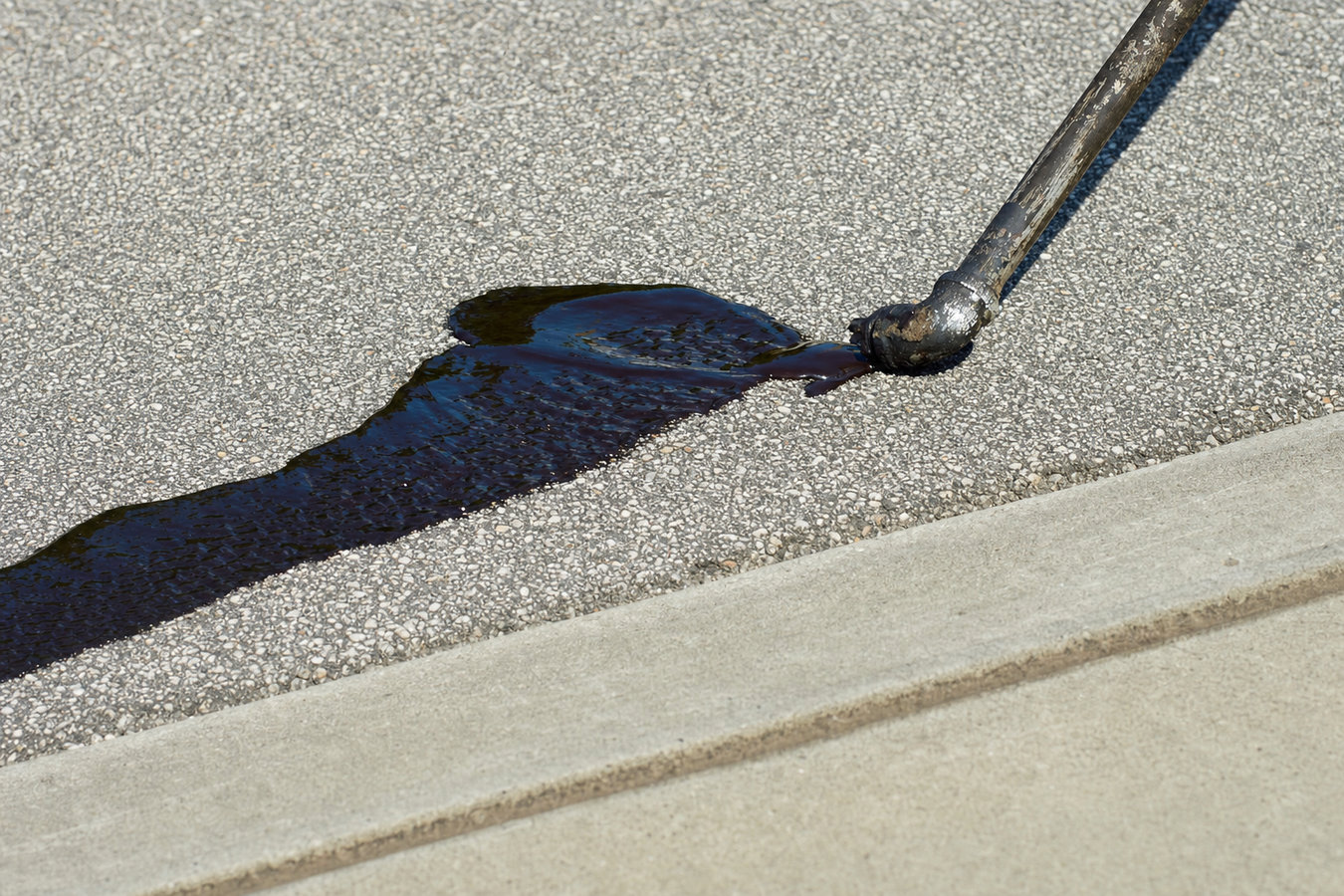
Cracks and potholes get worse every rainy season. We fix them right the first time - checking the base, not just the surface - so the repair actually holds.
Asphalt repair in Atwater covers cracks, potholes, sunken spots, and crumbling edges - most residential jobs are completed in a single day. The right fix depends on how far the damage has gone: narrow cracks get filled with a flexible sealant, while potholes and larger broken areas need a proper patch with fresh compacted asphalt, and sections where the base has failed need removal and rebuilding.
In Atwater, the biggest enemy of asphalt is the combination of intense summer heat and the rainy season that follows. The Central Valley sun dries out the binder in your pavement, making it brittle. Then winter water seeps into every small crack and works its way down to the base. Catching damage early - when it is still a crack rather than a pothole - is almost always the cheaper path. Once the repair is solid, pairing it with asphalt crack sealing protects the whole surface from the next wet season.
A quality repair has clean, straight edges, sits flush with the surrounding surface, and shows no gaps after it cools. That is what separates a repair that lasts years from one that pulls apart at the edges within months.
If you can spot cracks from a normal walking distance, they are past the hairline stage and water is already getting in. In Atwater's climate, where months of drying heat precede the rainy season, those cracks widen quickly once winter arrives. Filling them now costs a fraction of what a full patch or repaving will cost later.
A pothole or a section that has dropped below the surrounding surface means the base underneath has been compromised - usually by water infiltration or soil movement. Sunken spots collect standing water, which accelerates deterioration with every rain, and they are a trip hazard and a risk to vehicle suspension.
When interconnected cracks spread across a section like alligator skin, the base layer has failed - not just the surface. This pattern is common in Atwater-area properties where clay soils shift with the wet and dry seasons. Crack filling alone will not fix it; the section needs to be removed and rebuilt.
The edges of a driveway or parking area are the first place asphalt breaks down, especially without a solid border. If edges are crumbling, breaking off in chunks, or pulling away from the surrounding surface, the damage will work inward. Edge repairs are among the more affordable fixes - but only while the crumbling is still contained.
We handle the full range of asphalt damage, from filling a single crack to removing and rebuilding a failing section. Before we patch anything, we inspect the base to confirm it is still solid - because a repair on a bad base is just delaying the same problem. For narrow cracks, we clean them out and fill them with a flexible sealant that moves with the surface instead of cracking again. For potholes and larger breaks, we cut to clean edges, compact the base, and lay fresh hot-mix asphalt. When you need a more comprehensive solution, our pothole repair service addresses recurring failures with the same base-first approach.
If the damage on your property is more widespread, we will be honest with you about whether a section repair makes financial sense or whether asphalt crack sealing combined with a full-surface sealcoat would serve you better. Our job is to give you a straight assessment, not to sell you the most expensive option.
Best for narrow, isolated cracks that have not yet reached the base - a flexible sealant keeps water out and slows further spread.
For potholes, broken sections, and areas where base compaction is needed before fresh hot-mix asphalt is placed and rolled smooth.
When a larger area has failed - especially where alligator cracking indicates base failure - removing and rebuilding the section is the lasting fix.
For driveways and lots where crumbling edges are letting damage work inward - catching edge deterioration early is one of the most cost-effective repairs available.
Atwater's asphalt surfaces deal with conditions that accelerate damage faster than in many other parts of California. Summer temperatures that regularly exceed 100 degrees Fahrenheit dry out the binder in asphalt, turning it brittle and prone to cracking. Then the rainy season arrives and water pushes into every crack, softening the base and turning surface damage into structural failure. The seasonal wet-dry cycle, combined with clay-heavy soils that expand and contract with the seasons, means that what starts as a minor crack in spring can be a pothole by the following winter.
Getting asphalt repairs done in late spring or early fall - after the rains stop but before the worst summer heat - gives the material the best conditions to bond and compact properly. We work throughout Atwater and nearby communities, including Delhi and Winton, where the same soil and climate conditions create the same repair challenges. We understand the local conditions from the base up, not just from looking at the surface.
Call or send us a message and describe what you are seeing - cracks, potholes, sunken areas, or general surface deterioration. We will schedule a free on-site estimate and respond within one business day.
We walk the surface with you, check the base condition - not just the visible damage - and give you a written quote that explains the scope clearly. We tell you what we found and why we are recommending a particular approach.
The crew cuts damaged areas to clean edges, inspects and compacts the base if needed, then places and compacts fresh hot-mix asphalt. For crack filling, cracks are cleaned out and filled with flexible sealant. Most residential jobs are completed in a few hours to a full day.
Fresh patches need a few hours to cool before light foot traffic, and a day or two before vehicle use. Once the patch has fully cured, a sealcoat over the entire surface ties everything together visually and adds UV protection for Atwater's intense sun.
We respond within one business day. No pressure - just an honest look at what your pavement needs and a clear quote for the work.
(209) 582-0028We check the base before placing any patch material - not just the surface damage you can see. In Atwater, where clay soils shift seasonally, a repair that skips the base check fails in the same spot within a year. We fix the cause, not just the symptom.
We will tell you honestly when a repair makes sense and when you would be putting money into a surface that is past saving. That kind of candor saves you from spending on repeated patches that never fully fix the problem - and builds the kind of trust that brings customers back.
A quality patch has straight, clean cuts and sits flush with the surrounding surface. That is the visible sign of work done correctly - not a thrown-in blob of material that pulls away at the edges within months. The Asphalt Institute sets the standards we follow for mix quality and repair methods.
California requires paving contractors to hold a state license, verifiable through the state's online database before you sign anything. We carry general liability insurance and workers' compensation coverage - so if something unexpected happens on your property, you are protected.
Every repair we do is built on honest assessment, proper base work, and materials suited for the Central Valley's climate. When we leave your property, the fix holds - not just until the next rainy season.
Protect your entire surface after a repair by sealing remaining cracks before the next rainy season.
Learn MoreDedicated pothole work for driveways and parking areas where recurring failures point to a deeper base issue.
Learn MoreCall Trueline Atwater Asphalt Paving today and get a free, no-pressure repair estimate before the next wet season turns a small crack into a costly replacement.